Case Studies
Various green demand stimulation policies have been implemented across geographies, sectors and jurisdiction levels (e.g. at the national or city level). These case studies provide a deeper insight into how they have been designed and the impact created.
ReFuel EU Aviation


ReFuel EU is the European Union’s SAF blending mandate. It sets blending quotas for SAF, where fuel suppliers must incorporate 2% of SAF by volume into jet fuel supplies by 2025, rising to 70% by 2050. From 2030, 1.2% of fuels must be synthetic fuels. This increases to 35% in 2050.
Renewable Energy Directive (RED) III
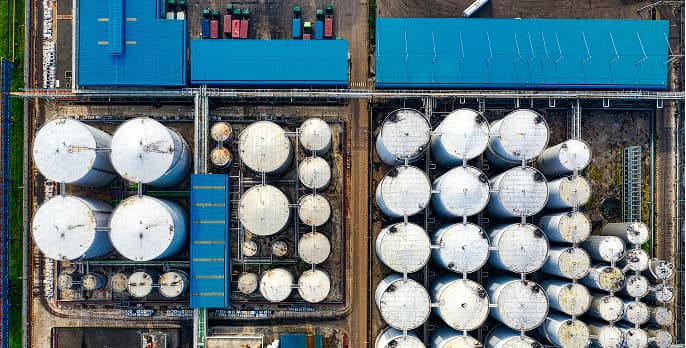
RED requires member states to ensure that at least 42% of hydrogen used in the industry by 2030 is green - rising to 60% in 2035. By 2025, member states must transpose these targets into national law and choose a range of implementation options.
California Low Carbon Fuel Standard


The California Low Carbon Fuel Standard aims to decrease the carbon intensity (CI) of transportation fuels, while offering consumers a range of low carbon and renewable fuel options, thereby reducing GHG emissions and improving the air quality in California.
RE2020 (Environmental Regulation 2020)


RE2020 aims to: firstly, improve energy performance and decarbonisation of operations-related energy consumption; secondly, reduce the lifecycle emissions of buildings; and finally, guarantee thermal comfort in case of heatwaves.
Canadian Policy on green procurement


In order to support overall Government emissions reductions targets sets requirements to use low carbon concrete, structural and reinforcement steel, and to develop whole-building level life-cycle assessments (to optimise design and material use). This includes a standard to reduce emissions from ready-mix concrete used in major government projects, and to reduce the embodied carbon of major construction projects by 30%.
H2Global’s first auction
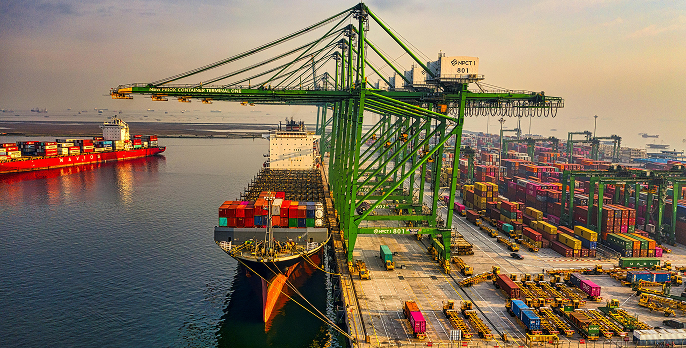

H2Global aims to stimulate the market for green hydrogen and its derivatives. Through its subsidiary, Hintco, H2Global has implemented a double-sided auction with hydrogen derivative producers and offtakers.
EU ETS and CBAM
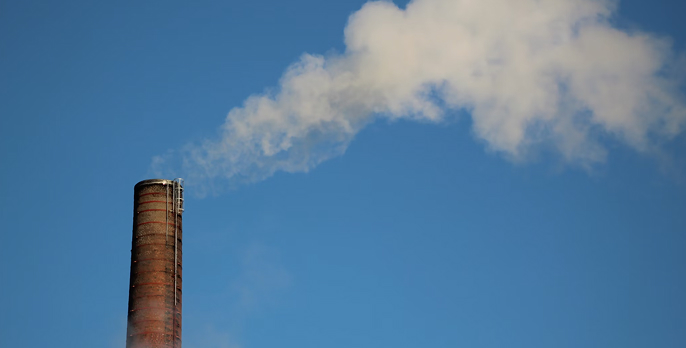
The EU ETS is the world’s largest carbon pricing system. It works by issuing a capped number of emission allowances (EUAs) that represent one tonne of CO₂e emissions.
National Green Hydrogen Mission – Pilot Projects
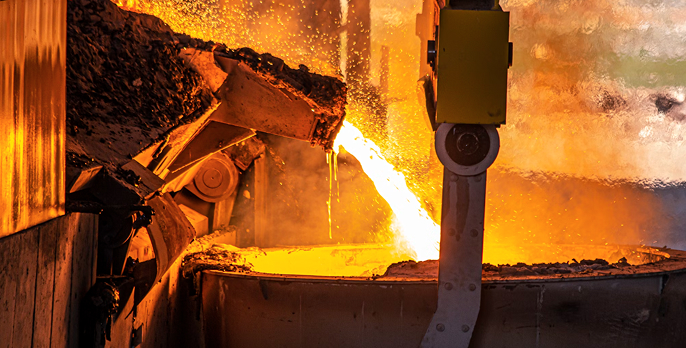

Under the National Green Hydrogen Mission, the government supports pilot projects in targeted sectors (including steel and maritime), offering subsidies to build infrastructure that enables the uptake of green hydrogen and its derivatives.
Carbon Contracts for Difference (CCFDs)
In 2024, Germany launched a €4bn auction for CCFDs as the first step of a programme expected to ultimately be much larger. This supports the use of low carbon inputs such as green hydrogen.
Seattle Priority Green Expedited Programme

Seattle Priority Green is a voluntary programme where building projects receive in-kind incentives for meeting an environmental criteria. Developers can enjoy priority for permit approvals, saving at least three months (roughly 50%) from intake to issuance.